
Charles posthumously rose to fame in England for his architectural flair and contribution to the distinct decorative art style known as The Glasgow School. He was part of a representative group called ‘The Four’, including his wife Margaret MacDonald, a skilled glass artist and painter, his sister-in-law Frances, and Herbert MacNair. Together, they created the distinctive Glasgow art style that drew from a number of artistic movements spreading across Europe, such as Japonisme, the Celtic Revival, and the Arts and Crafts Movement.
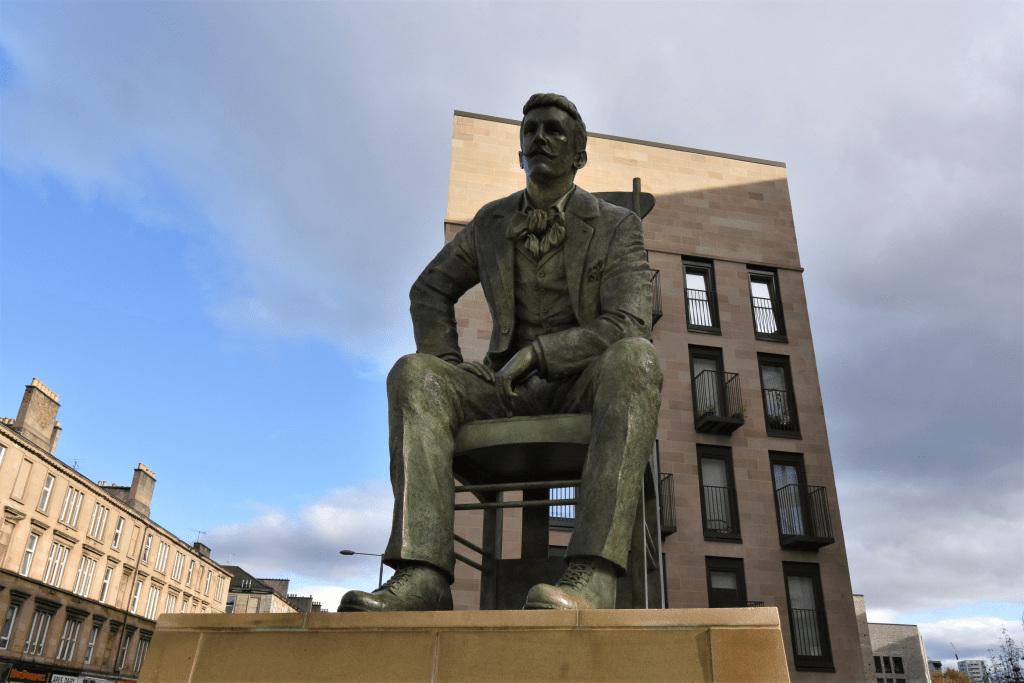
Charles’ career as an architect was short-lived but long desired. At the age of 14, he left school and went into training, and by the age of 21, he was taking evening classes at the Glasgow School of Art whilst working for the Honeyman and Keppie firm in the daytime. Eight years later, Charles started taking commissions on projects such as The Hill House, The Glasgow School of Art, and Scotland Street School.
After leaving Honeyman and Keppie in 1914, Charles moved with his wife Margaret to England, where he began to dabble in the arts of textiles and watercolour. Two years later, a friend of WJ Bassett-Lowke recommended Charles as an architect to renovate his house. Northampton architect Alexander Ellis Anderson also took part in the renovation, though Charles took the lead.
At this point in Charles’ life, recognition was scarce. Rob Kendall, trustee and chair of the Friends of 78 Derngate, said: “Mackintosh had left Glasgow at the end of 1914 very much out of favour with his partners and was also described as ‘old fashioned’ after his move to London.”
The process took nine months, and from a traditional, old-fashioned terraced house, 78 Derngate transformed into a modern masterpiece. Several new features were added, including a rear extension which provided a larger kitchen and dining area, and balconies for a couple of bedrooms.
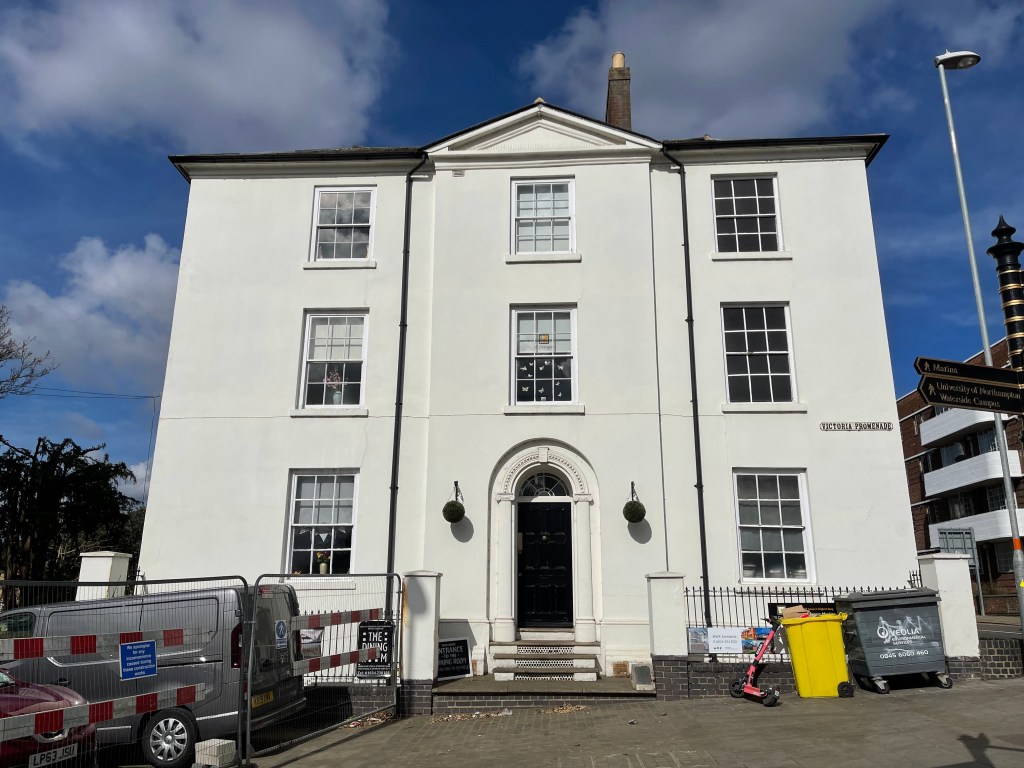
One of the key features added by Charles was the striking interior décor of 78 Derngate which was added to the lounge hall and the dining room. Most of Margaret’s textile designs were also used throughout the house.
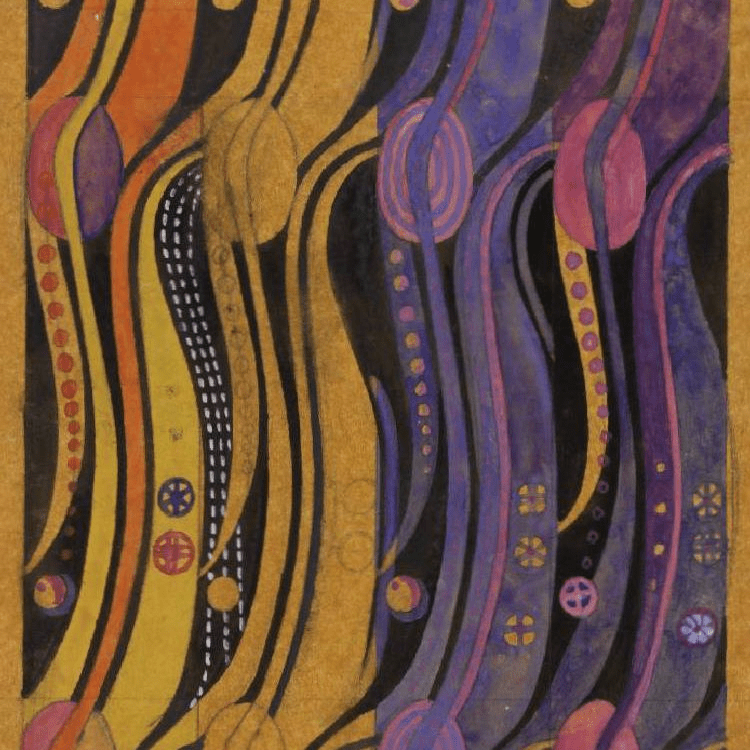
From being the first marital home of WJ Bassett-Lowke, 78 Derngate was bought and used by a string of people. For example, in 1964, Northampton High School for Girls bought the house and used it until the 1990s. However, afterwards, concerns were raised about the preservation of the building. After the school sold the property, the Charles Rennie Mackintosh Society and some Northampton residents proposed that it should be restored and opened to the public.
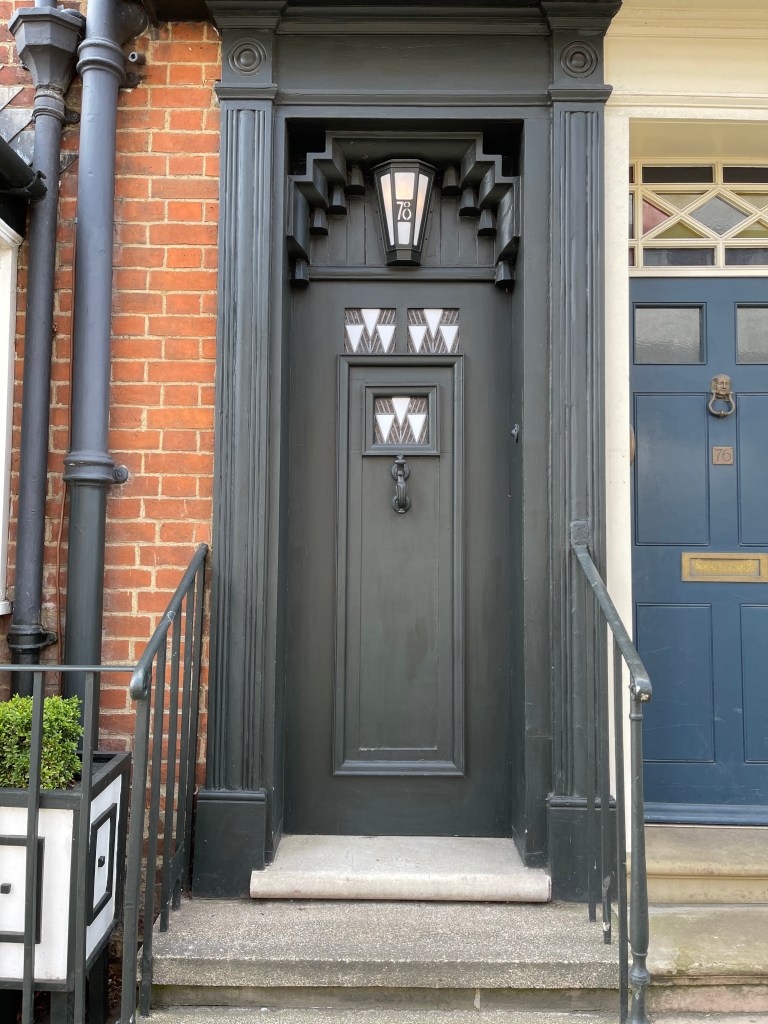
After a series of campaigns and a generous donation from Maggie Barwell, the Borough Council bought a 999-year lease on both 78 and 80 Derngate. Some of the groups that supported the restoration of the house included 78 Derngate Northampton Trust, The Horne Foundation, Northampton Borough Council and Northamptonshire County Council. The architect firm John McAslan & Partners, received a grant of £999,000 in 2001 from the Heritage Lottery fund. The restoration of 78 and 80 Derngate cost £1.4 million in total.
John McAslan & Partners headed the project and restored 78 Derngate to its early 1900s design and layout. Replicas of the interior such as beds, cabinets, mirrors and cupboards, were created by Jake Kerner from the Buckinghamshire New University. 80 Derngate, on the other hand, was changed into a visitor centre. Inside, there are several exhibitions on Charles Mackintosh and Bassett-Lowke.
In 2022, construction work began at the rear of 82 Derngate. Rob Kendall said: “It is part of the ongoing development of the visitor experience and will create a more user friendly and flexible open space for exhibitions and retail.”
78 Derngate is an architectural marvel created by Charles and Margaret Mackintosh, and has stood for over a century. It is likely that it will remain standing for years to come, keeping its legacy intact. without ever falling out of style.




 The Northamptonian
Leave a comment