Robert Catesby, born in 1573, was a high-status figure from Daventry, Northamptonshire, and was one of the key thinkers behind the plot. He was known as a fashionable, charismatic, and popular man with a talent for sword fighting. However, one of his stronger passions was practising religion. His family were devout Catholics, something which could lead to trouble in a Protestant ruled country such as England.
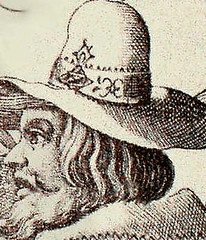
Having taken part in previous acts of dissent against Protestant rule, Catesby’s involvement in the plot would hardly have come as a surprise. In 1601, for example, he took part in the Essex rebellion against Queen Elizabeth I. This was most likely fuelled by his father’s imprisonment for harbouring a Catholic priest and refusing to conform to the Church of England. After receiving a heavy fine, equivalent to over £6 million today, Catesby was released. However, this did nothing to quell his hostility against the Protestant government, and when James I became king, Catesby’s primary goal was to kill the ruler and end Roman Catholic persecution in England. Chair of the Northamptonshire Battlefields Society, Graham Evans, links Catesby’s personality to his actions. He said: “He was also known as a bit of a hothead, which may have caused some more senior Catholics to back off from him when approached.”
Another Northamptonshire-based conspirator was Francis Tresham, Catesby’s cousin. He lived in Rushton and like Catesby, wanted revenge for his father’s persecution and imprisonment for his Catholic faith. Tresham was also known for his temper and his contemporaries viewed him as an impulsive thug with extravagant spending habits. Nonetheless, on October 14, 1605, he was invited into the plot and joined the other conspirators to plan the king’s assassination.
In total, there were 13 plotters, and most of them were connections of Catesby. They met in Daventry and London and also in Catesby’s Ashby St Ledgers estate, where they stored arms, ammunition and gunpowder. Graham Evans believes Northampton was an ideal place for Catesby’s plans. He said: “The county had a small but strong Catholic community on which he could draw in from what was otherwise a strongly Protestant county.”
By the latter half of October, the plot was finalised. The cellar beneath the House of Lords was booked, and a mercenary named Guy Fawkes was hired to fill it with 36 barrels of gunpowder. He would light the fuse on the State Opening of Parliament, unleashing a Catholic revolt that was supposed to reinstate Roman Catholicism in England.
Everything was set, but doubts were forming under the surface. A few of the conspirators were worried for their fellow Catholics who would sit in Parliament, such as Lord Monteagle, Lord Stourton, and Lord Montague. However, Catesby continued, suggesting that some of their peers could stay at home that day.
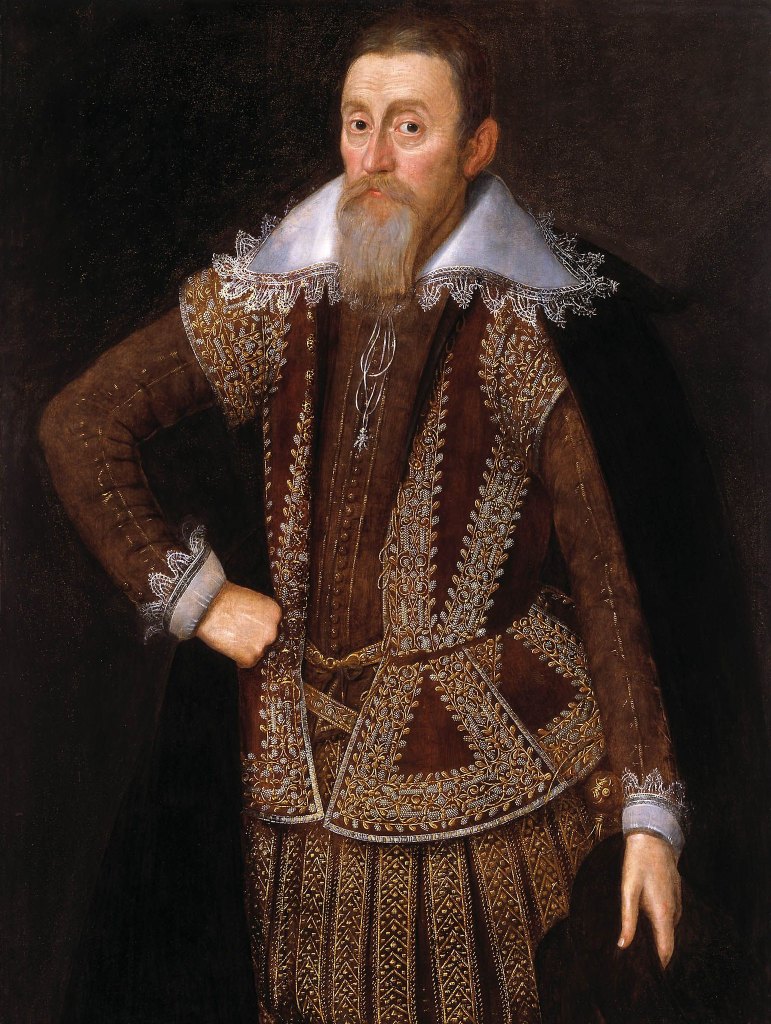
For one of the plotters, this reassurance was insufficient. On October 26, Tresham’s brother-in-law, Lord Monteagle, was sent an anonymous letter urging him not to attend Parliament’s opening. News of this travelled to the Secretary of State, Earl of Salisbury, the Earl of Worcester, and the Earl of Northampton, before getting back to Catesby.
It was assumed that Tresham was the traitor. After fervently denying this, Tresham urged his fellow plotters to abandon the plan, but Catesby ploughed on. Despite his best efforts, the plan was fated to fail once the letter reached the hands of the king.
On November 4, only hours before the attack was scheduled, the cellars were searched, and the explosives and Fawkes were found. The conspirators fled, whilst Fawkes was tortured until he gave up the names of his fellow plotters.
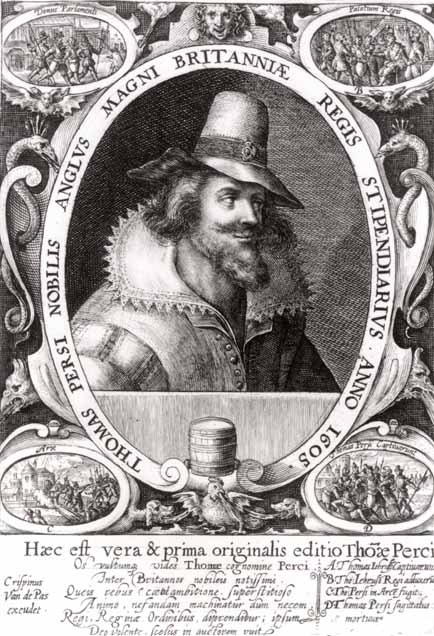
The hunt was now on to capture and kill the band of would-be assassins. Six conspirators met at Ashby St Ledgers where Catesby insisted that an armed struggle was still a viable option. However, with their possie of plotters slowly diminishing, they decided to flee. Travelling to Warwick and Staffordshire, the fugitives were eventually found at Holbeche House, and surrounded by 200 men on November 8, in the late hours of the morning. Catesby and Thomas Pearcy were shot and their heads were displayed in Northampton as an example to others.
The other conspirators, Robert Wintour, Robert Keyes, Sir Everard Digby, Thomas Bates, Ambrose Rokewood and John Grant, were captured, tried and executed. However, Tresham was treated differently from the others. He was arrested and thrown into the Tower of London where he died of illness on December 23. Rumours say that Tresham avoided execution because of the warning he presumably sent to Lord Monteagle, or that he was a double agent all along. However, despite the slight delay in his death, his head was also pitched next to Catesby and Pearcy for all to see.
The following year, November 5 was established as a public thanksgiving day. For every year since, the name of Guy Fawkes has rung in people’s ears, whilst the real puppet master from Northamptonshire stays in the shadows. Graham Evans said: “Catesby was the prime mover, and it is his circle of acquaintances and friends that were at the heart of it all.”
“Whether someone else would have done something similar with-out him we will never know.”
Graham Evans


 The Northamptonian
Leave a comment