In the 18th century, Northampton was famed for being well-built and attractive. Over 200 years on, parts of the town stand just as they had in their former glory days, and much of this is owed to the late Victorians.
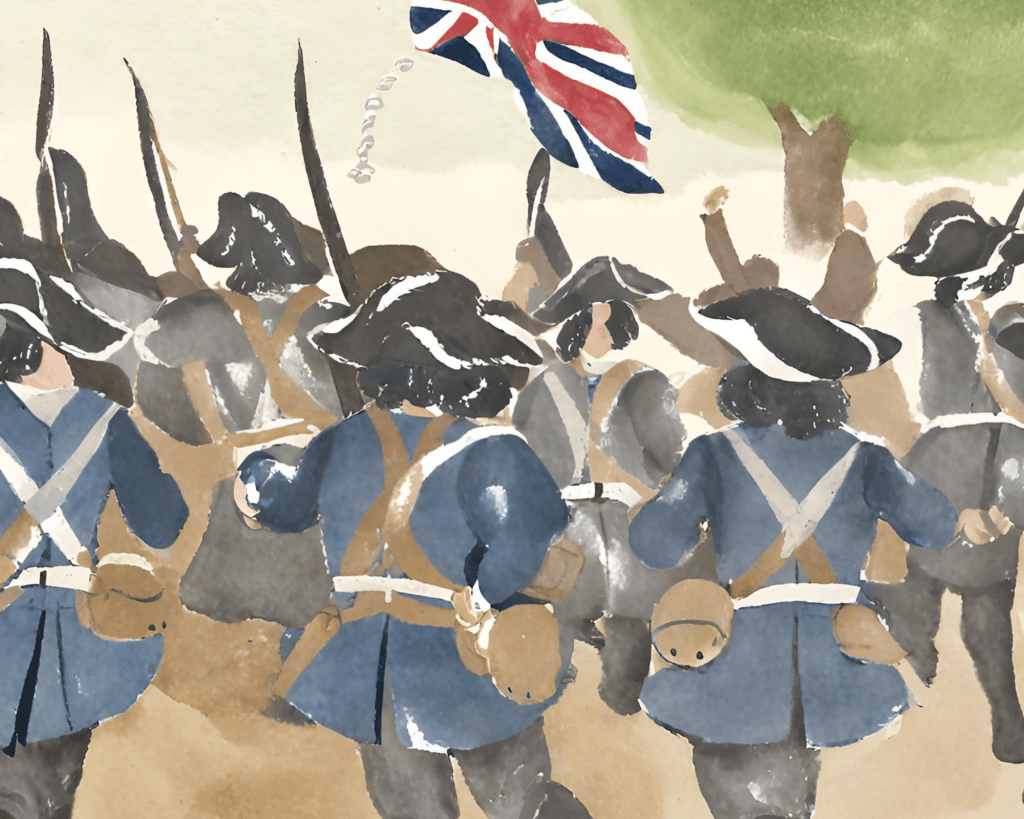
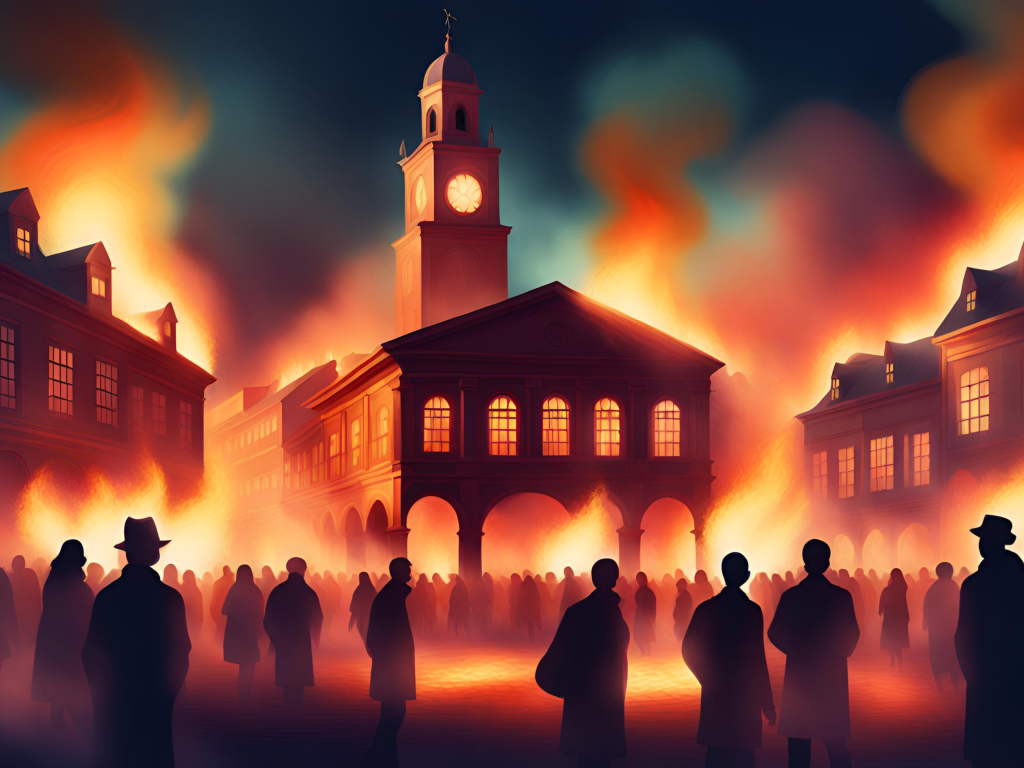
The most famous example of the late Victorian legacy in Northampton is the Guildhall. Standing at the heart of the town, the building has survived one and a half centuries since its completion in the 1860s. It sits two storeys high, studded with 14 statues of famous Northampton figures along its walls. Some of the figures among them include Saint Thomas Becket, the Archbishop of Canterbury, the Northamptonshire poet John Dryden, Queen Victoria who visited in 1844, and King Henry VII who established the town council. There are also two gargoyles depicting the architects’ faces who won the opportunity to head an extension project between 1889 and 1892. Matthew Holding designed the exterior, and Albert Jeffrey focused on the interior of the building. The distinct Gothic style of the building was a combination of their best designs and remains a focal aesthetic trademark of Northampton town centre. There is also a sculptured tableau of historical events in Northampton such as the trial of Saint Thomas Becket in 1164, the execution of Mary Queen of Scots, the Great Fire of Northampton in 1675, and the Battle of Naseby in 1645.
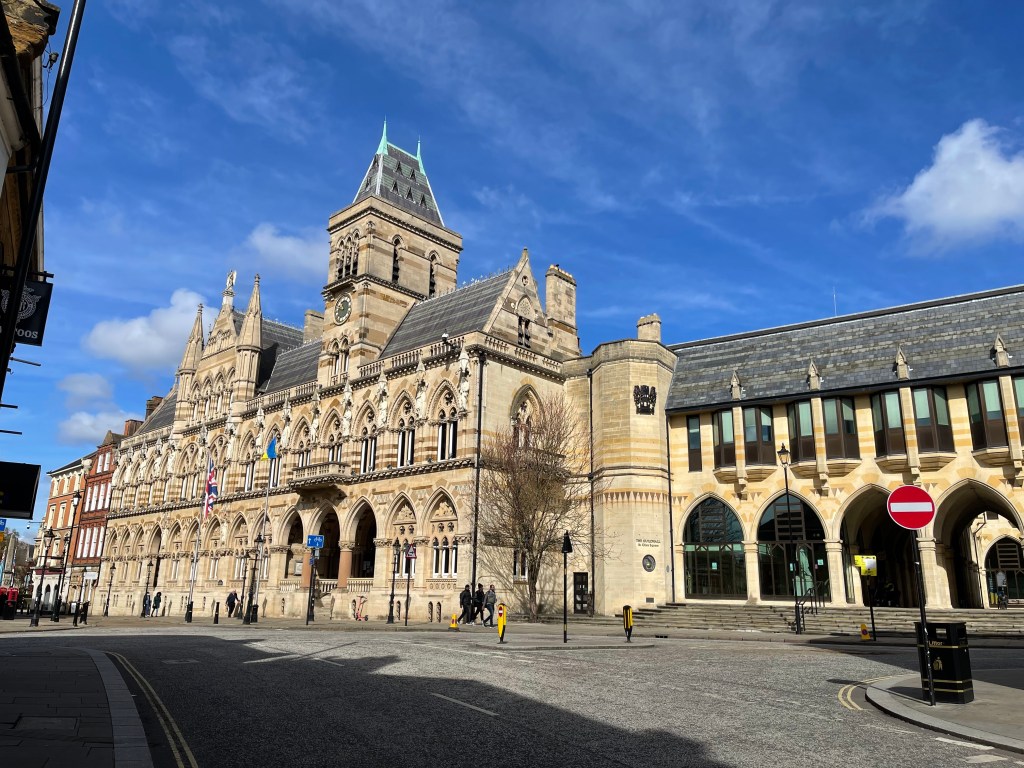
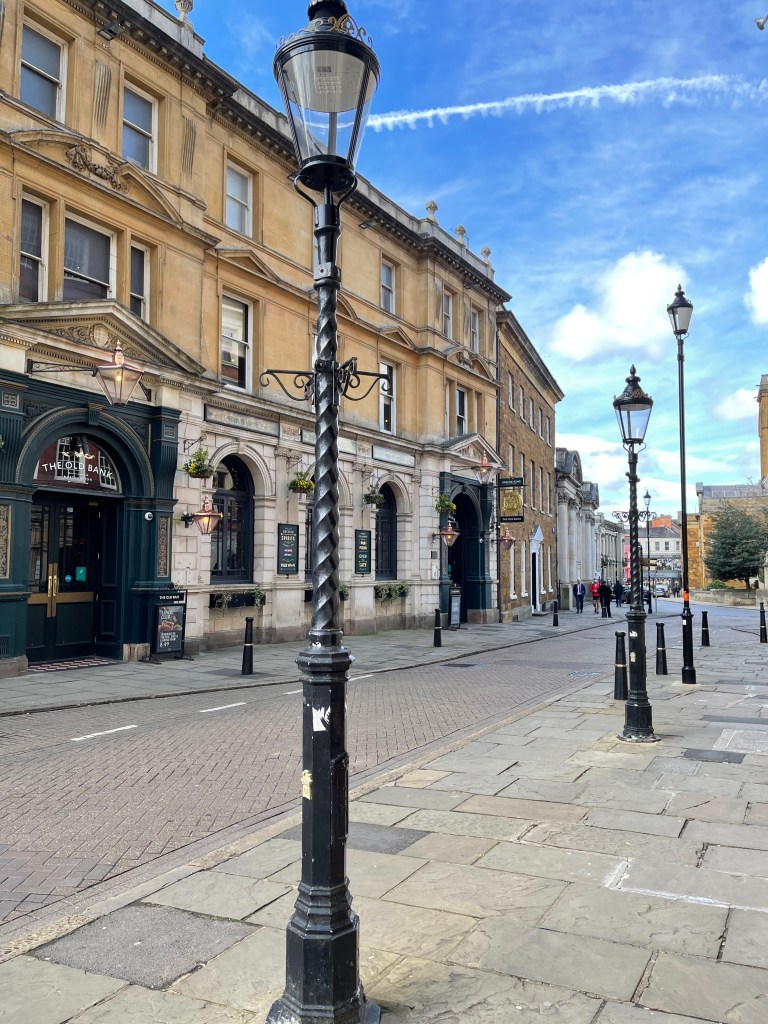
There are also other remnants of the late Victorian legacy in Northampton. Surrounding the building, for example, are structures around the town centre decorated with intricate, Gothic carvings, such as those in the Market Square and around the Drapery. Phillippa Bennett, senior lecturer in English & Creative Writing and winner of the Peter Floud Memorial Prize, said: “The Victorians were very proud of their developments in art and culture. The spectacles of Victorian showmanship helped showcase Britain as artful and creative”.
“Northampton is a town with a lot of Victorian heritage and artistry.”
Phillippa Bennett
Abington is another area of the town spotted with Victorian architecture. The terraced houses, for example, are a familiar architectural presence and were most likely popularised during the Industrial Revolution. Phillippa said: “They act as evidence of the town’s historical, manufacturing identity.”
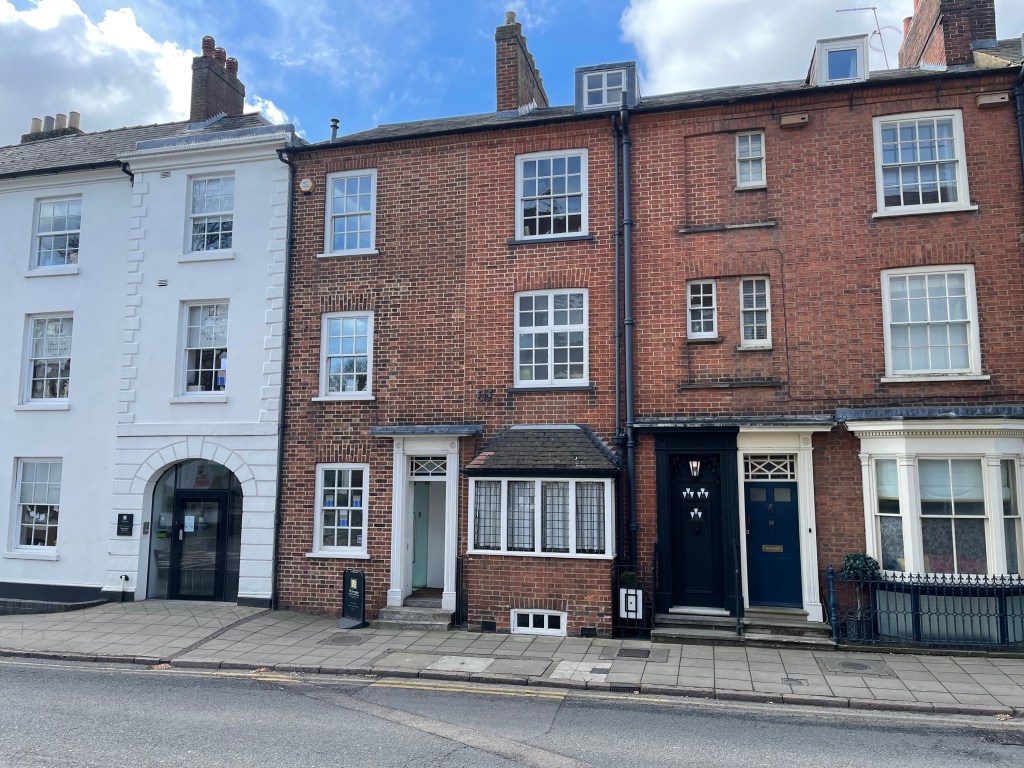
This is most likely due to the rapid urbanisation during the Victorian era, where millions of people moved from the countryside to urban areas for work. As the population of towns and cities boomed, the need for housing for the lower socio-economic classes reached unprecedented levels. As a result, the Victorian terrace was popularised and erected all over Britain to house the growing workforce.
Another key area of Northampton’s architectural history is the industrial buildings themselves. These were built during the Victorian era as part of the Industrial Revolution. In Northampton, most of these took the form of shoe factories. Local businesswoman, Kardi Somerfield, owner of Fridgestreet, a business that sells hand-designed magnets, found inspiration from the local architecture. She said: “I like the industrial buildings – like the shoe factories or places like the Latimer and Crick grain merchants.”
The buildings were a key factor in developing her designs. She said: “I had been on a weekend to Brno in the Czech Republic and had been drawing the rooftops in the city – I never liked drawing buildings before. When I came back, I carried on drawing rooftops in Northampton. A friend at work suggested I draw the places individually and make them collectable – so I did.
I discovered a technique for drawing the buildings in a bright distinctive style and I draw them because it is my home and I like to celebrate and support the places of our town, especially small businesses. I think they are not appreciated enough and wanted to promote more pride in the town.”
Northampton’s buildings serve a double purpose. They act as both a reminder of the late Victorian legacy whilst inspiring others to create their own.


 The Northamptonian
Leave a comment