
‘Northampton’ first appeared in records in the 10th century. Since then, it has had its fair share of ups and downs. Here are some of the darker moments from our town’s history:
1010 – The Danes burn Northampton
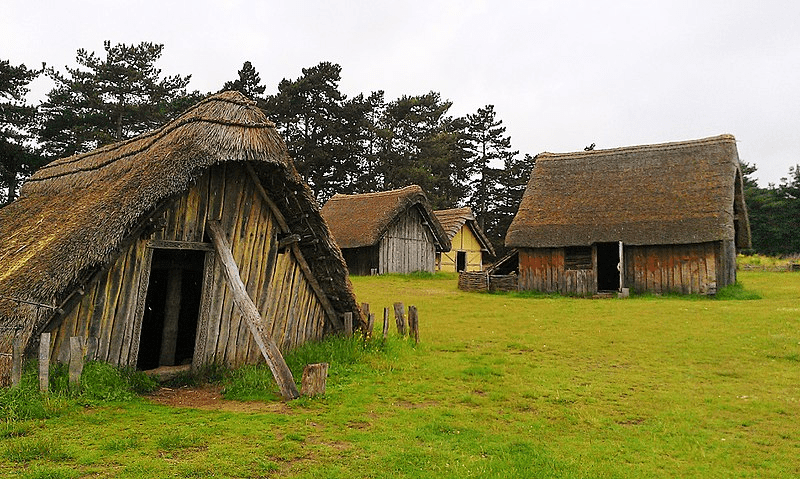
Northampton has not always gone by its well-known name. During the Middle Ages, it was an Anglo-Saxon village called Hamm tun, which translates to village by the well-watered meadow. However, in the late 9th century, the Danes conquered Eastern England and turned Hamm tun into a fortified town. The fortification was not enough, however, to protect the town from being conquered and burnt by the Danes in 1010.
1215 – Northampton falls under siege
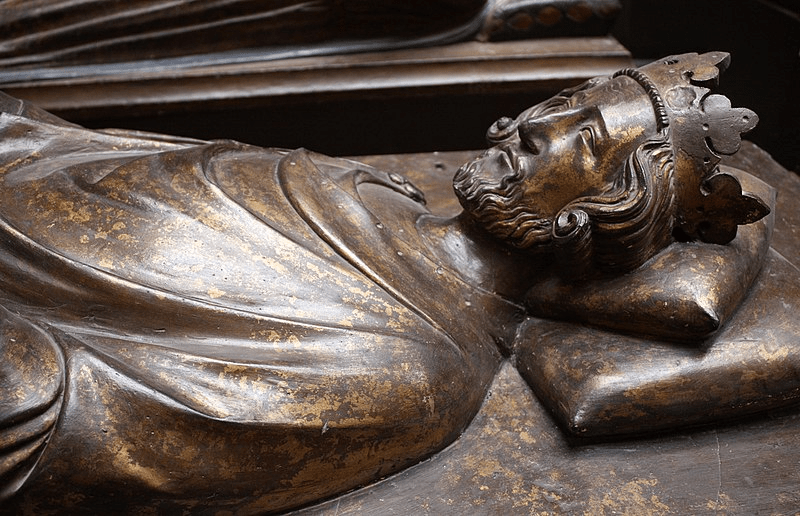
King John’s reign lives in infamy to this day and is well recognised, especially to anyone familiar with the story of Robin Hood. His crimes and cruelty led to the creation of the first legal document declaring the King and his government were not above the law, the Magna Carta.
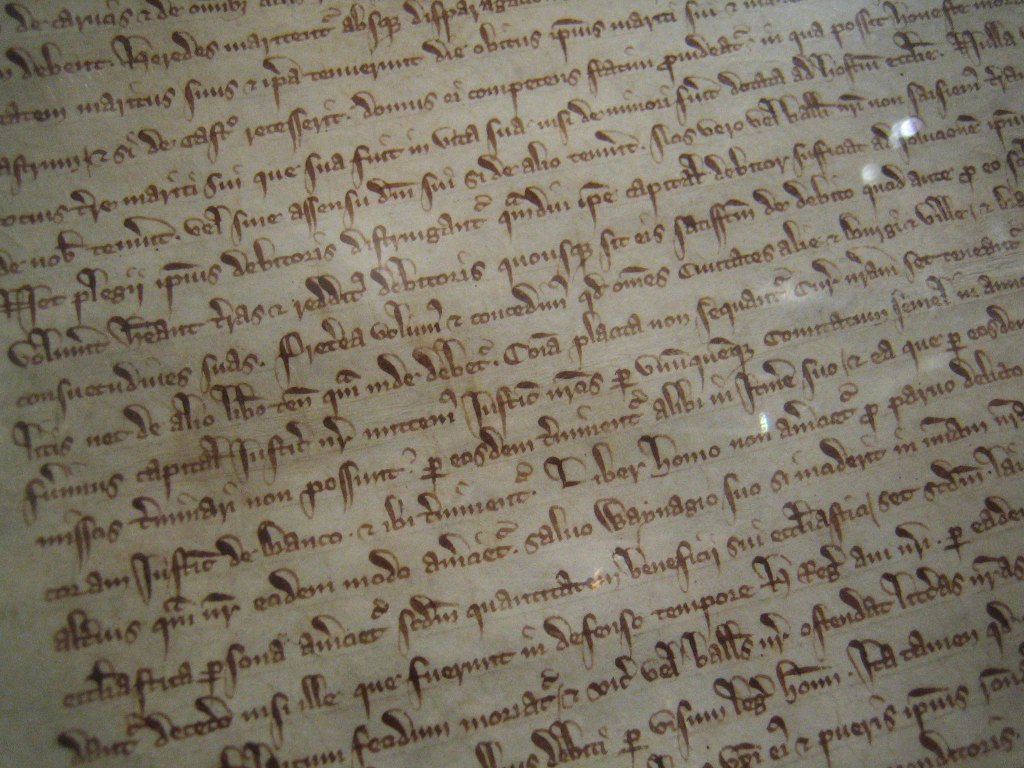
However, it would be a long and arduous journey before this was signed. The country would first have to endure a year of fighting between the rebellious barons, led by Robert Fitzwalter, and the King. Northampton was one of the cities caught in the crossfire and came under siege by rebel barons in 1215 after the King rejected their list of demands, which later became the foundation for the Magna Carta. Northampton castle was attacked and was under siege for two weeks. Due to a lack of equipment, the rebels soon moved on to Bedford, but not before many had lost their lives on both sides.
1264 – Northampton is captured by Prince Edward (who later became Edward I)
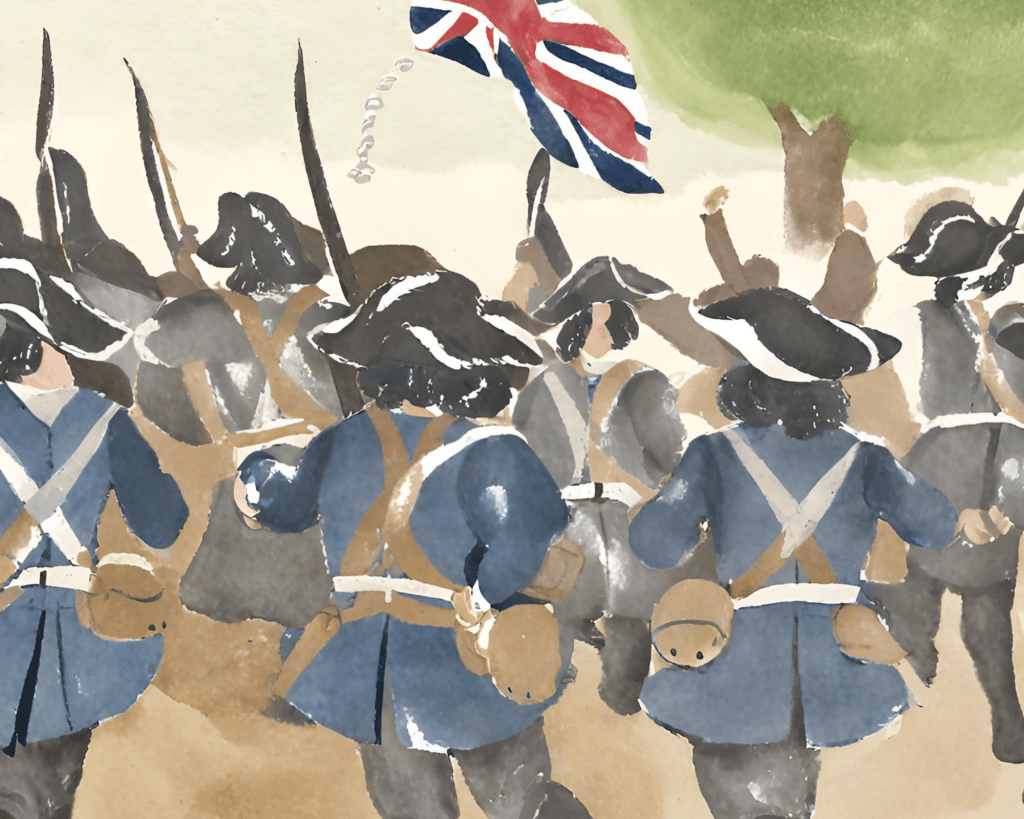
In a similar turn of events, 50 years after the First Baron’s War, Northampton was caught in the crossfire of civil war again and was captured by Prince Edward for Henry III – this time, in the Second Baron’s War. This was a landslide victory for the royalists who took Northampton castle and captured the son of the rebel ringleader, Simon de Montfort.
1349 – The Black Death devastates Northampton
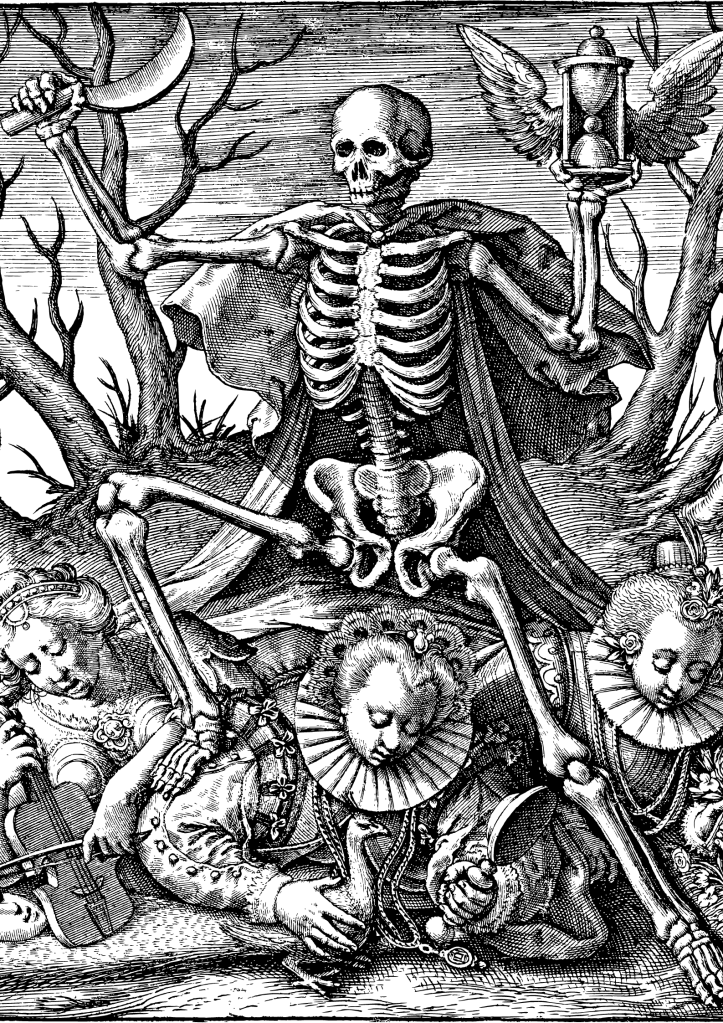
Like the rest of England, Northampton was also ravaged by the bubonic plague, which killed over half the town’s population.
1460 – Battle of Northampton
On July 10, during the War of the Roses, Northampton became the scene of battle for yet another civil war. King Henry VI, the Lancastrian ringleader, was waiting in Delapre Abbey when the Earl of Warwick and his Yorkist force attacked. The battle was surprisingly brief, lasting only 30 minutes in total. As a division of the Lancastrian army surrendered their defensive position, it was easy for Warwick to seize victory, killing several Lancastrian noblemen and capturing the King.
1516- Northampton’s first severe fire
During the Tudor period, Northampton experienced its first major fire. Many of the houses, which were made of wood and thatched roofs, were destroyed.
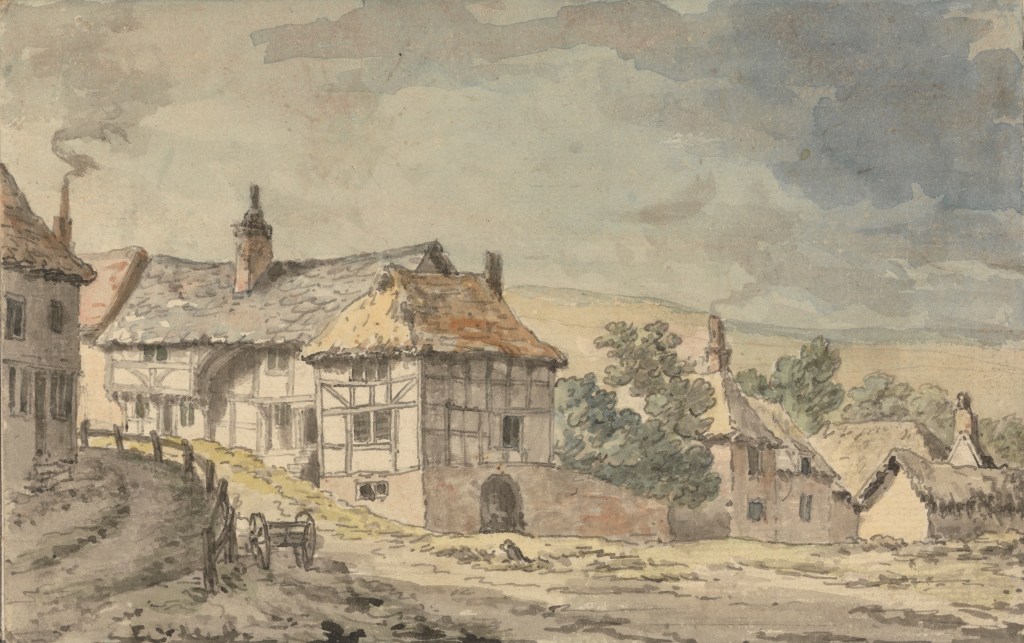
1660 – King Charles II orders for the town walls to be knocked down
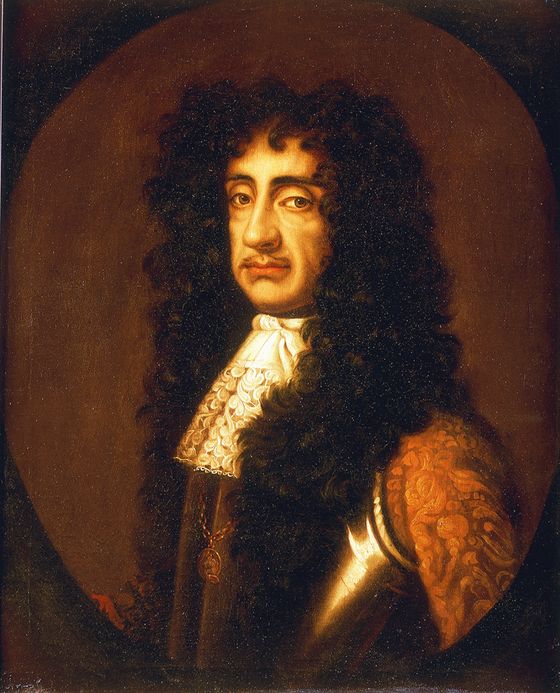
The English Civil War between the Parliamentarians, led by Thomas Fairfax, and the Royalists, headed by Charles I, began in 1642 and ended in 1651. During this time, Northampton sided with the Parliamentarians, which later created problems when Charles II succeeded his father to the throne. Due to their lack of allegiance to the monarchy, Charles II ordered the destruction of the town walls. He also ordered the demolition of the castle, however, only part of the castle walls were pulled down. Authorities converted the rest into a gaol.
1675 – Great Fire of Northampton
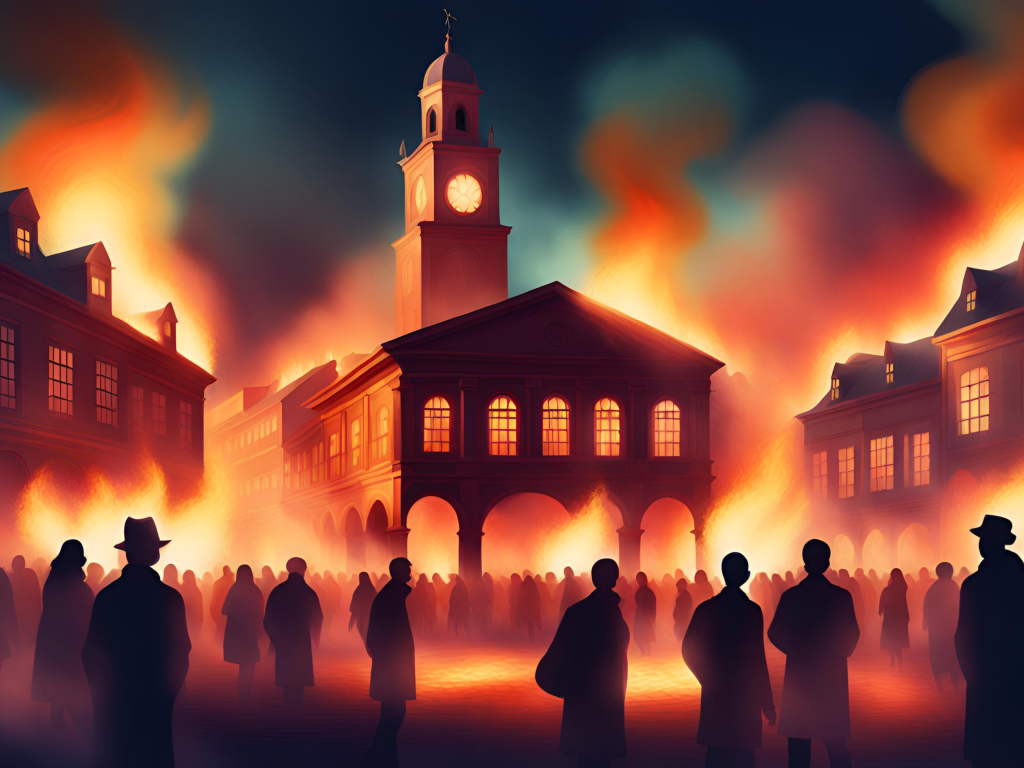
This is one of the most catastrophic events on our list. This fire, caused by sparks from an open fire on St. Mary’s Street, would go on to destroy two-thirds of the town and make 600 families homeless. The Market Square and its surroundings were burnt to ashes and had to be rebuilt over the next few years.
Read more about this here!
1998- A severe flood submerges the town
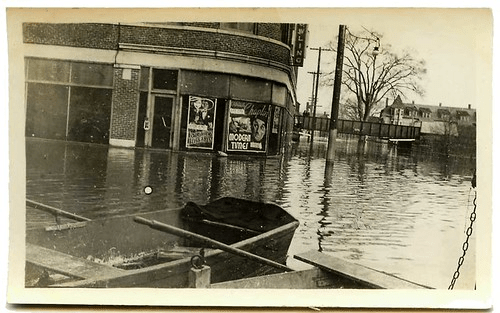
Jumping ahead 300 years, in 1998, on Good Friday, Northampton experienced one of its biggest floods ever recorded. Early in the morning, the River Nene flooded as Northampton experienced a month’s worth of rain in the short span of 24 hours. Two people died, and 2,500 properties were flooded, with Far Cotton and St. James being the worst affected areas. A mass evacuation was launched and residents were transported to Goldings Middle School, located on higher ground.
Sources:
“The borough of Northampton: Description.” A History of the County of Northampton: Volume 3. Ed. William Page. London: Victoria County History, 1930. 30-40. British History Online. Web. 18 January 2024. http://www.british-history.ac.uk/vch/northants/vol3/pp30-40.
“Battle of Northampton, 1264.” Battle of Northampton, 1264 Northamptonshire, http://www.northamptonshiresurprise.com/organisation/battle-of-northampton-1264/. Accessed 18 Jan. 2024.
Castelow, Ellen. “The Battle of Northampton (1460).” Historic UK, 21 Nov. 2023, http://www.historic-uk.com/HistoryMagazine/DestinationsUK/The-Battle-of-Northampton-1460/.
Lambert, Tim. “A History of Northampton.” Local Histories, 27 June 2023, localhistories.org/a-history-of-northampton/#:~:text=In%20the%2018th%20century%2C%20Northampton,built%20in%20Northampton%20in%201744.
“The Normans and the Barons Wars.” Northamptonshire Battlefields Society, 6 Apr. 2017, northantsbattles.com/normans-and-the-barons-wars/#:~:text=The%20Barons%20renounce%20their%20oaths,up%20by%20William%20de%20Beauchamp.
“Northamptonshire 1998 Easter Flood Fear ‘Never Goes Away.’” BBC News, BBC, 30 Mar. 2018, http://www.bbc.co.uk/news/uk-england-northamptonshire-43503447.
Ofredesdale, Robin, et al. “King John, the Magna Carta and Northants.” Northamptonshire Battlefields Society, 5 Jan. 2015, northantsbattles.com/2015/01/05/king-john-the-magna-carta-and-northants/.

 The Northamptonian
Leave a comment